Source Ecg Machine for Hospital, Clinic, and Home Use
Explore 30 verified ecg machine listings from China. Compare models like MC-ECG-2301 and IVT-T120 Vet, featuring CE and ISO certifications, automatic recording modes, and overseas after-sales support for reliable physiological monitoring; compare the available evidence and request quotations based on your requirements.
Key considerations
Products List




Comprehensive Sourcing Guide
ECG Machine Sourcing Guide
Procuring an ECG machine requires distinguishing between general physiological monitoring devices and specialized imaging diagnostic equipment, as the market offers distinct product categories. Buyers must first verify the specific classification of the unit, noting that some listings explicitly identify as "Physiological Functions of Diagnosis and Monitoring Equipment" while others fall under "Imaging Diagnostic Equipment." This distinction is critical for ensuring the device matches the intended clinical workflow, whether for routine hospital diagnostics or specialized animal anesthesia monitoring.
The observed product landscape includes a wide range of configurations, from standard 12-channel systems to portable units with specific bandwidth requirements. Sourcing teams should scrutinize the listed product models, such as the MC-ECG-2301 or ES-52, to confirm they align with the required recording modes like automatic, manual, or rhythm analysis. Understanding these variations helps prevent the acquisition of equipment that lacks the necessary automation or customization features required for specific medical environments.
Product Scope and Observed Listing Signals
Buyers should carefully evaluate the functional attributes listed in product descriptions, such as the "Analysis ECG" capability and the specific recording modes available. The market data indicates that units often support multiple operational modes, including automatic and manual settings, which are essential for adapting to different patient scenarios. It is vital to confirm that the selected model, such as the Aliroad 3 6 12 Channel ECG Machine, explicitly supports the required channel count and analysis depth for your specific facility needs.
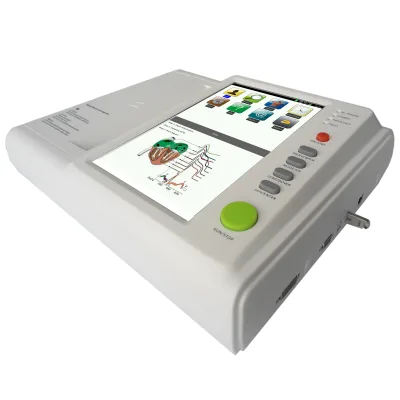
Packaging and physical specifications also serve as key signals for the intended application and logistics planning. Listings vary significantly in their packaging types, ranging from standard packages and cartons to wooden cases and neutral carton packing with OEM availability. Additionally, physical constraints like weight limits of 1kg or thickness under 27mm suggest portability for field use, whereas larger units with 7-inch color displays are better suited for fixed hospital installations.
Technical Specifications to Verify
Technical verification must begin with the bandwidth and signal processing capabilities, as some specifications explicitly state a bandwidth of at least 350Hz. This parameter is crucial for ensuring high-fidelity signal capture, particularly when diagnosing complex cardiac conditions. Buyers should cross-reference the listed model numbers, such as IVT-T120 Vet or E-9, against their clinical requirements to ensure the device can handle the necessary frequency ranges without signal degradation.
Endurance and power management are equally critical for continuous operation in demanding environments. Specifications indicate that certain portable units offer an endurance of at least 10 hours, which is a key metric for mobile clinics or extended monitoring sessions. Furthermore, the condition of the equipment, whether new or refurbished, and the presence of electronic control methods for animal anesthesia machines must be confirmed to ensure the device meets the operational reliability standards of your facility.
Compliance and Safety Documentation
Regulatory compliance is a non-negotiable aspect of sourcing medical devices, with CE certification appearing frequently in the observed product data. Buyers must verify that the specific unit they intend to purchase holds valid CE marks and, where applicable, ISO certifications such as ISOCE or general ISO standards. It is important to note that while some listings mention ISO 13485 as a background standard, this should not be assumed without explicit confirmation from the supplier for the specific model in question.
Safety documentation must also cover the specific components used in the device, such as disposable vacuum blood sampling needles and sterile syringes. These consumables are often integral to the operation of the machine, and their classification as disposable and sterile is a key safety indicator. Procurement teams should ensure that the supplier provides clear documentation regarding the sterilization status and disposal protocols for these accessories to maintain a safe clinical environment.
Cost Drivers and Commercial Terms
Pricing in the ECG market exhibits a vast range, with observed listings spanning from nominal values to extremely high figures, necessitating a careful review of the total cost of ownership. Buyers should not rely solely on the listed unit price but must consider the inclusion of accessories, software licenses, and the specific customization options available. The availability of customization suggests that the final cost may vary significantly based on the specific configuration required for the buyer's unique operational needs.
Commercial terms such as Minimum Order Quantity (MOQ) and lead times are critical factors in the procurement timeline. The observed MOQ range of 1 to 100 units allows for flexibility, but buyers must confirm the specific MOQ for their desired model to avoid unexpected inventory costs. Additionally, lead times of 2-3 weeks should be factored into the project schedule, and buyers should verify if expedited shipping options are available for urgent clinical requirements.
Supplier Qualification and Quality Control
Supplier qualification should include a thorough assessment of their after-sales service capabilities, particularly for international buyers. The market data highlights that some suppliers offer engineers available to service machinery overseas, which is a vital support mechanism for maintaining equipment uptime in global operations. Buyers must confirm the scope of this service, including travel costs and response times, to ensure that technical support is accessible when needed.
Quality control extends to the manufacturing origin and the condition of the equipment upon delivery. Most observed products originate from China, with specific mentions of Jiangsu as a production hub, which can influence logistics and quality consistency. Buyers should verify that the equipment is listed as "New" and that the packaging, whether a wooden case or cardboard box, is sufficient to protect the device during transit to prevent damage before installation.
Long-Term Procurement Checks
Long-term procurement success depends on securing a robust warranty and clear maintenance protocols. The observed data indicates that a 1-year warranty is a common offering, but buyers should negotiate terms that cover critical components and software updates. It is essential to clarify what is included in the warranty, such as parts replacement or labor, to avoid unexpected costs during the device's operational life.
Future-proofing the procurement strategy involves checking for software upgradability and the availability of spare parts. As medical technology evolves, the ability to update the ECG machine's software or replace aging components like the color display or control modules is crucial. Buyers should inquire about the supplier's policy on end-of-life support and the availability of compatible accessories to ensure the device remains a viable asset for the facility over the long term.
FAQs
What certifications do these ECG machines have?
The ECG machines are certified with CE and ISO standards. This ensures compliance with international safety and quality regulations for medical devices. Buyers can rely on these certifications for regulatory approval in various markets. The documentation supports the classification as physiological diagnostic equipment, facilitating smoother import processes and hospital procurement approvals.
Can the ECG machines be customized for specific needs?
Yes, customization is available for these ECG machines. Buyers can request specific configurations to meet unique clinical or operational requirements. This flexibility allows for tailored solutions in hospital settings. The customization option extends to packaging and potentially functional adjustments, ensuring the equipment aligns precisely with the purchaser's technical specifications and workflow needs.
What is the lead time for ordering ECG machines?
The standard lead time for ordering these ECG machines is two to three weeks. This timeframe allows for production and quality checks before shipment. Buyers should plan their procurement schedules accordingly to ensure timely delivery to hospitals or clinics. Expedited options may vary, so confirming current availability with suppliers is recommended for urgent medical equipment needs.
What recording modes are supported by the ECG machines?
The ECG machines support automatic, manual, and rhythm recording modes. This versatility allows healthcare professionals to choose the best method for patient diagnosis. Automatic mode simplifies routine screenings, while manual and rhythm modes offer detailed analysis for complex cases. These features enhance the machine's utility in various hospital environments, ensuring accurate physiological function monitoring and diagnostic support.
Where are these ECG machines manufactured?
These ECG machines are manufactured in China, with specific origins noted in Jiangsu. This location is a major hub for medical device production. Buyers can expect established supply chains and competitive pricing from these regions. The manufacturing base supports the availability of various models, including those with CE certification, ensuring consistent quality and reliable delivery for international medical procurement projects.
What warranty is provided for the ECG machines?
A one-year warranty is provided for these ECG machines. This coverage protects buyers against manufacturing defects and ensures operational reliability during the initial period. The warranty typically includes support for technical issues, enhancing confidence in the purchase. Buyers should review specific terms with suppliers to understand the scope of coverage and available after-sales service options for long-term maintenance.